The Balancing Act of the British Wallet, August 2026 Inflation & Affordability Update
Have you ever wondered why, even when your boss gives you a little extra in your pay packet, you don’t always feel any richer when you’re standing at the checkout in the supermarket? It feels a bit like running up an escalator that’s going down—you’re moving, but are you actually getting anywhere?
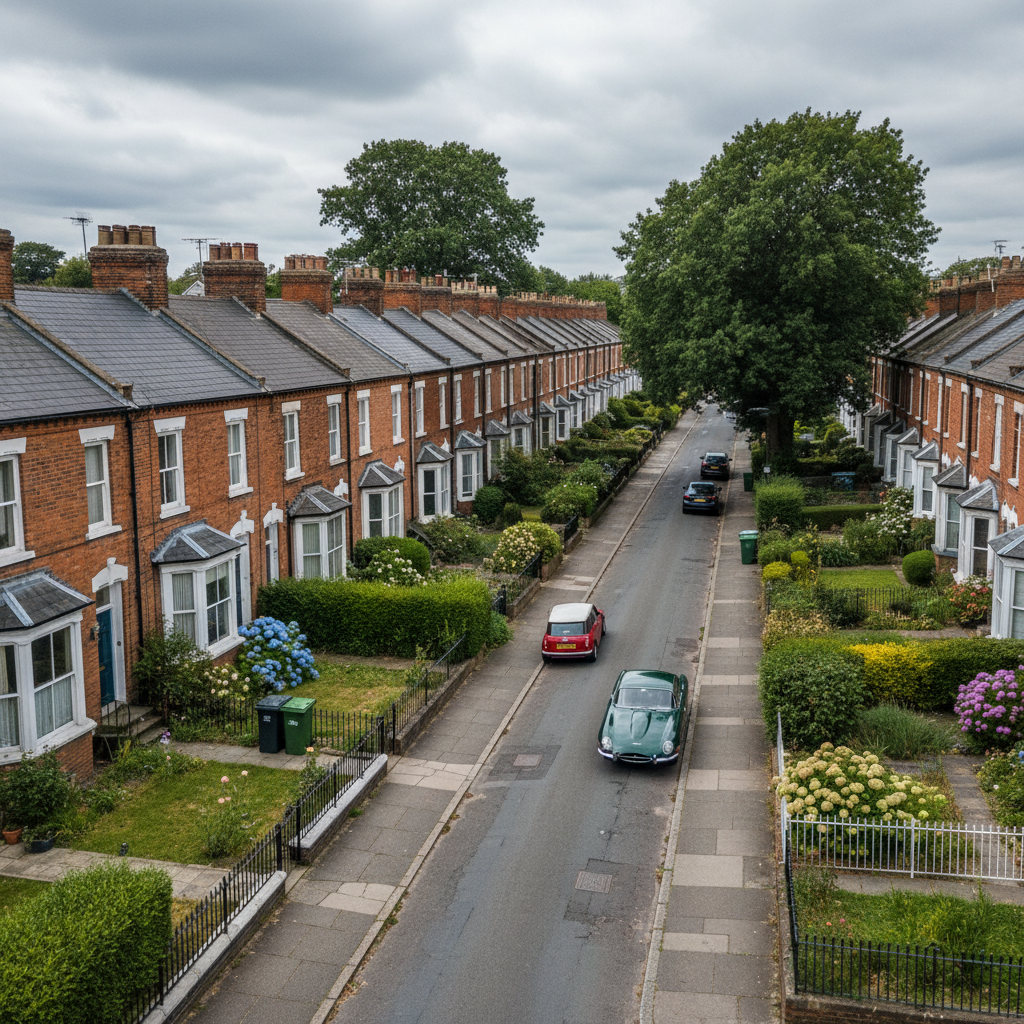
Before we look at the big national picture, I’ve been looking at what’s happening right here in null. Currently, the average price people are asking for their homes in null is £781,378. That’s a big number, but because it’s currently a "buyer’s market," people looking for a new home actually have a bit more power to negotiate than they did a few years ago. But to understand why that is, we have to look at the "hidden thief" in all our pockets: inflation.
What on earth is inflation anyway? Think of inflation as a tiny, invisible creature that nibbles away at what your money can buy. If a bag of apples cost £1 last year, and inflation is happening, that same £1 might only buy you three-quarters of a bag today.
Right now, across the UK, the inflation rate is 2.8%. To put that in perspective, back in May it was higher at 3.4%. It’s slowing down! It means that while things like your weekly shop or filling up the car are still getting more expensive, they aren't shotting up as fast as they were before.
The good news about your pay packet Here is the exciting bit: while the cost of things went up by 2.8%, the average amount of money people are earning went up by 3.5%.
Did you know that this creates something called "positive real wage growth"? In plain English, it means your pay is finally growing faster than the price of your pasta and petrol. You’re actually winning the race by about 0.7%. It’s not a huge leap, but for the first time in a while, your money is starting to have a bit more "muscle" when you go to spend it.
What does this mean for your move? When your money has more muscle, the idea of moving house or buying your first home feels a little less scary. The Bank of England has kept the "base rate"—which is basically the price the big banks pay to borrow money—steady at 3.75%.
Because people feel a bit more confident, we saw 58,200 home loans approved this month, which is up from July. People are realising that while the average UK home price has nudged up to £287,003, their wages are helping them keep pace.
Bringing it back home to null So, how does this affect us in null? When national inflation stays low and wages go up, it means the people looking at the 269 properties currently for sale in null feel more comfortable about what they can afford each month.
However, because homes in null are taking an average of 507 days to sell at the moment, sellers are having to be very realistic. Even though people have a bit more money in their pockets, they are being very careful about where they spend it. If you’re a landlord in null, you’re likely seeing your own costs (like repairs and insurance) go up with that 2.8% inflation, which is why we often see rents move in the same direction.
The road ahead looks much smoother than it did at the start of the year. With prices stabilising and pay packets growing, the dream of moving to a new front door is becoming a reality for more of our neighbours every single day.