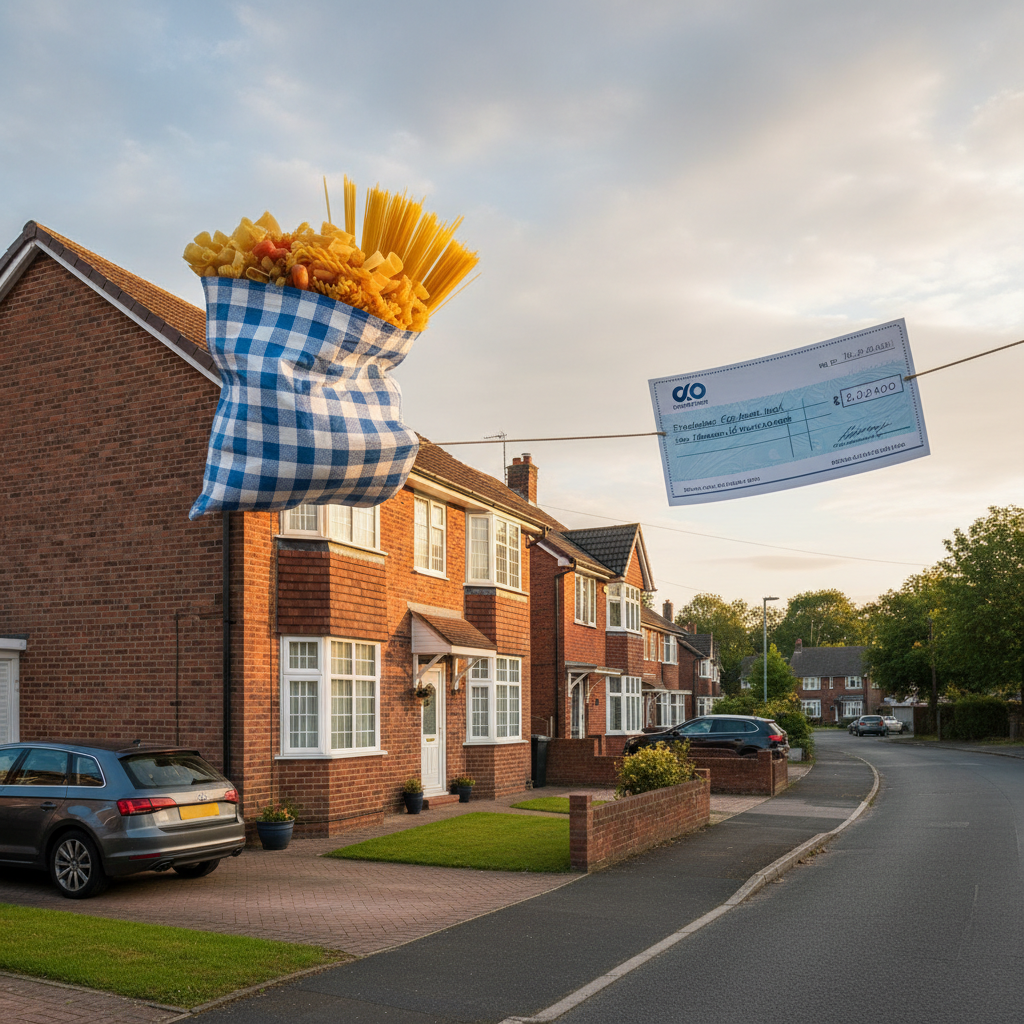
The Tug-of-War Between Your Paycheck and Your Pasta, May 2026 Inflation & Affordability Update
Think back to just twelve months ago. The air felt a bit heavier when you reached for your wallet at the supermarket checkout, didn't it? We’ve all been there—staring at a block of cheese or a bag of coffee and wondering if the price tag was a typo. That feeling of things getting more expensive is what's known as inflation, and it's been the main character in our national economic story for a while now.
I’m David Hallas, and while I spend my days helping neighbours move around TW11 9, I spend my evenings keeping a very close eye on these numbers because they dictate whether you can afford that extra bedroom or a garden for the dog.
What’s happening with the "Cost of Stuff"?
Right now, in May 2026, the official "price of life" (the inflation rate) is sitting at 3.4%.
To put that in plain English: if a massive basket of everything you normally buy—bread, petrol, haircuts, and shoes—cost you £100 this time last year, that same basket now costs about £103.40. It’s a slight nudge up from the 3.2% we saw in April, meaning prices are still climbing, just at a slightly different pace than they were a few weeks ago.
The Good News: Your Pay Packet is Fighting Back
Did you know that for the first time in a long time, the average worker is actually winning the "money race"?
While the cost of things went up by 3.4%, average wages grew by 3.6%. This produces what I like to call the "pocket money bonus." Because your pay is growing just a tiny bit faster than the price of milk and electricity (by about 0.2%), you actually have a smidge more "spending power" than you did before.
It’s like walking up an escalator that’s going down. For a long time, the escalator was moving faster than we could climb. Now, we’re finally gaining a few steps of ground. This is a huge signal for anyone looking at homes, because it means that, slowly but surely, things are becoming more affordable.
What this means for your move
If you’re thinking about buying or moving, the "Base Rate"—which is the benchmark the big banks use to decide how much to charge you for borrowing money—is holding steady at 3.75%.
Because people's wages are rising slightly faster than prices, the number of people getting the "thumbs up" for a home loan has stayed solid at 62,600 across the country. We’ve seen the average price of a home dip slightly from £287,528 in February to £284,720 today. When you combine slightly lower house prices with slightly higher wages, the door to homeownership starts to creak open just a little wider for everyone.
Bringing it back to TW11 9
You might wonder how these national "price of pasta" conversations affect us here in TW11 9. Well, when the cost of living fluctuates, it changes what buyers in our area feel comfortable spending.
Currently, the average asking price in TW11 9 is £933,705, but the actual prices people have been paying over the last year jump around £745,975. Because we are in a "buyer's market" (where there are plenty of homes to choose from—116 currently!), the fact that national wages are finally beating inflation is great news. It means local buyers have more confidence to make an offer, and landlords don't feel quite as much pressure to hike rents to cover their own rising costs.
Even though things might feel a bit topsy-turvy, the fact that your earnings are finally growing faster than the cost of your weekly shop is a very bright light at the end of the tunnel. We're moving in the right direction, and that’s a reason to be optimistic about your next move.
---