The Penny-Farthing Effect, October 2026 Inflation & Affordability Update
I spent yesterday morning helping a young couple view a charming cottage, and as we were chatting over the garden fence, the conversation turned to the "cost of everything". It struck me how much we all feel like we’re running a race where the finish line keeps moving. I told them something that might sound a bit bold: I actually think we are entering one of the most stable periods for moving home that we’ve seen in years, despite the headlines you might see on the news.
You see, everyone talks about "inflation" as if it’s a scary monster under the bed. In plain English, inflation is just the speed at which things get more expensive. If a bag of flour cost £1.00 last year and costs £1.03 today, that’s inflation doing its thing. Right now, that "speed limit" is set at 3.3%. This means for every £100 you spent last October, you’d need about £103.30 today to buy the exact same stuff—the weekly shop, the petrol for the car, or your morning coffee on the high street.
But here is the clever bit that most people miss: while the price of your pasta is going up, your pay packet is likely growing even faster.
Did you know that average earnings across the country have grown by 3.7% over the last year? If we do a bit of simple maths, your wages are actually growing 0.4% faster than the prices in the shops. It’s like walking up an escalator that is moving down; for the first time in a while, you are actually climbing faster than the stairs are dropping. This "positive signal" means your actual spending power—your ability to afford the things you want—is slowly but surely getting stronger.
So, what does this mean if you’re looking at a new front door key?
Well, the Bank of England has kept the "base rate" (the number that helps decide how much it costs to borrow money) steady at 3.75%. Because your wages are rising slightly faster than the cost of living, the dream of buying a home or moving to a bigger garden is becoming a bit more realistic for many families. We aren't seeing the wild price jumps of years gone by—in fact, the average home price across the UK is now £288,279, which is only 1.2% higher than this time last year. It’s a gentle climb, not a mountain trek.
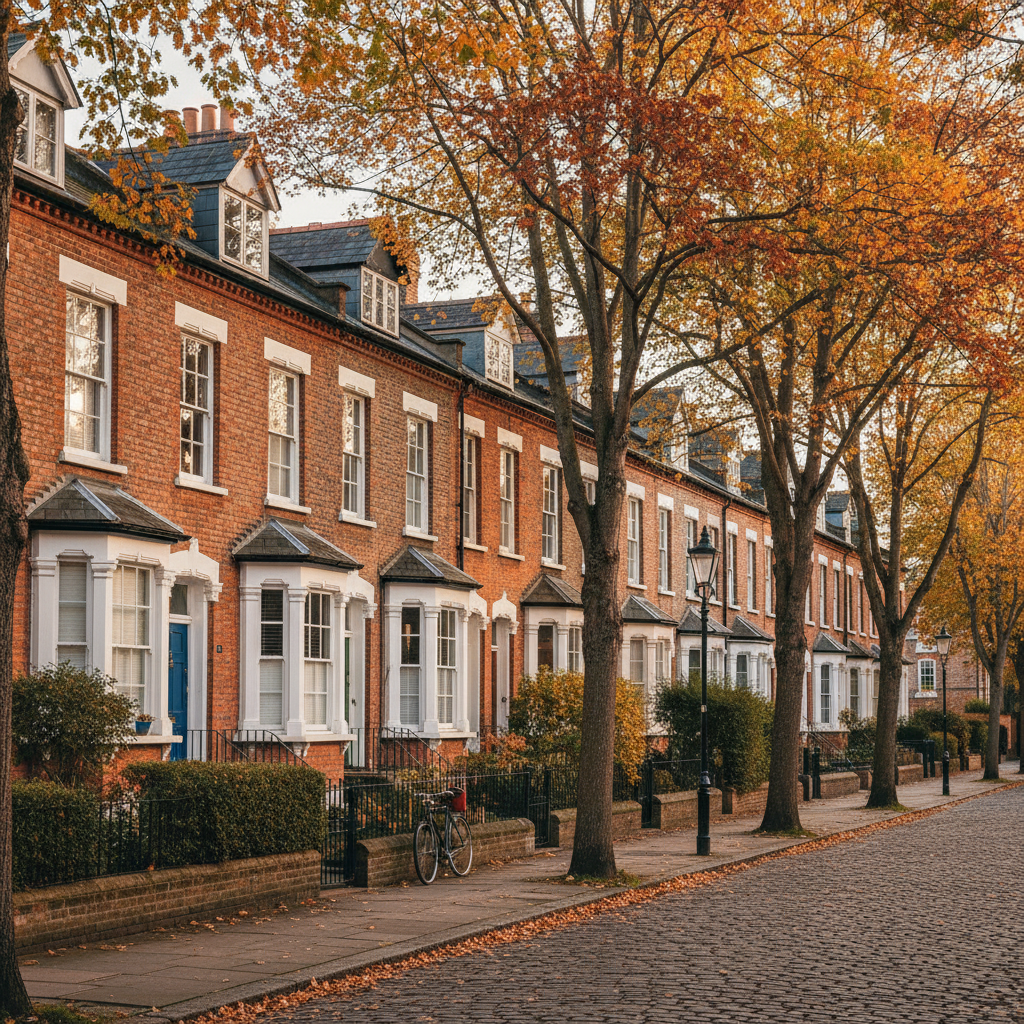
When we look closer to home in the null postcode sector, these national trends start to show up in our own leafy streets. In null, we are currently in what we call a "buyer's market." With 255 properties currently for sale and an average asking price of £741,125, there is plenty of choice for people looking to settle here.
Because inflation is staying relatively steady, it gives people in null the confidence to plan ahead. Landlords aren't seeing their costs spiral as wildly as before, and for buyers, it means you can take your time to find the right spot without feeling like the price will jump up ten grand while you’re sleeping.
It feels like the UK economy is finally catching its breath. While we all still have to be careful with our pennies, the fact that our pay is starting to beat the price rises is the best news we’ve had in a long time. It’s not a sprint to the finish line just yet, but the ground beneath our feet feels a whole lot firmer.